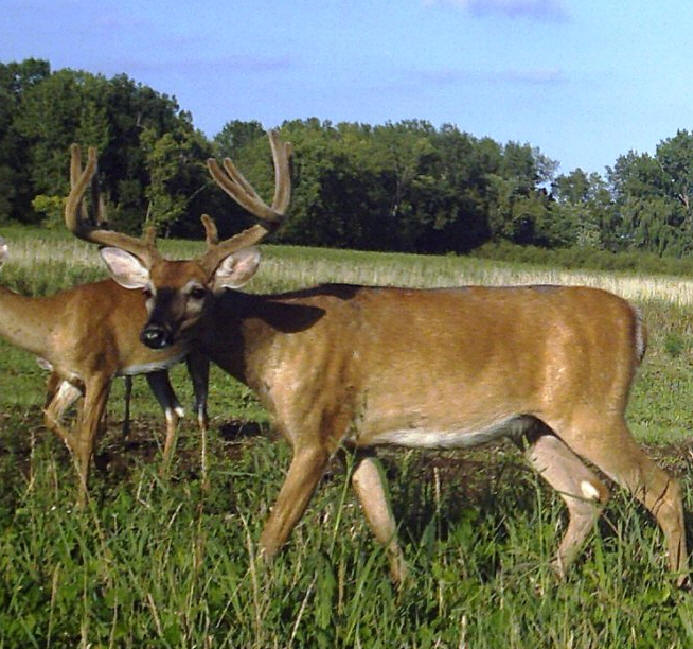
|
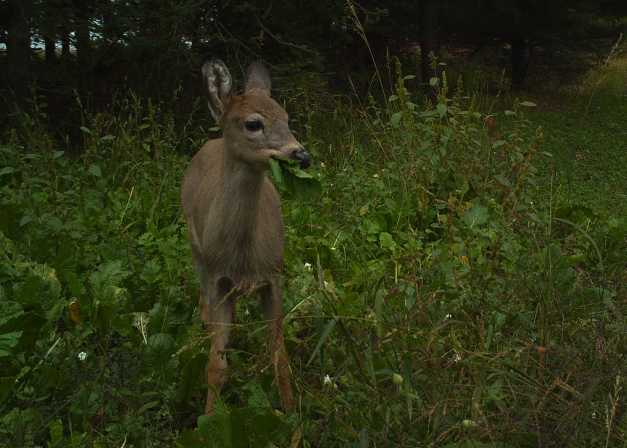
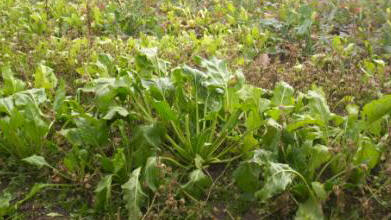
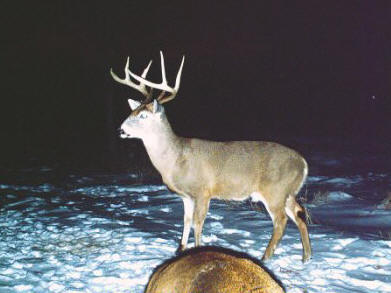
Bambi eating on radish early summer
Food and cover are fundamental to maintaining a quality
habitat for deer or other wildlife. The more food there is for wildlife to
eat the less likely they are to go looking for an other food source. An
adequate food source will keep wildlife in your area; therefore, they will
live longer, and reproduce healthier young. Cover and bedding areas will
also keep wildlife on your land for they need not travel.
Our specialized mixes can be planted in strips or
patches along the edge of woods, near ponds, along fence lines or near areas
of thick grass. Whether planting annuals or perennials, both will provide
an excellent food plot for deer. Perennial food plots are a great food
source because of there longevity and persistence to all the weather
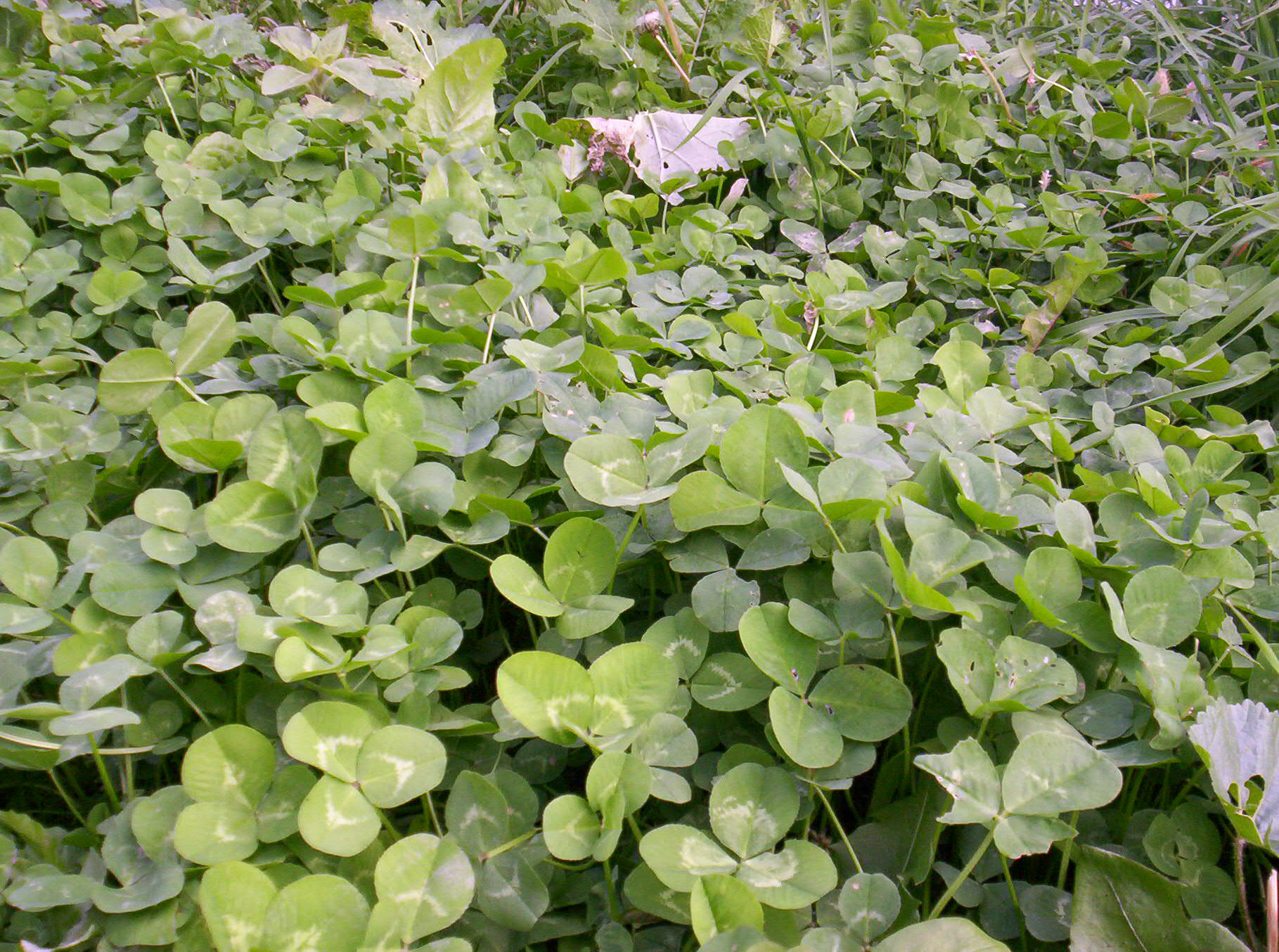
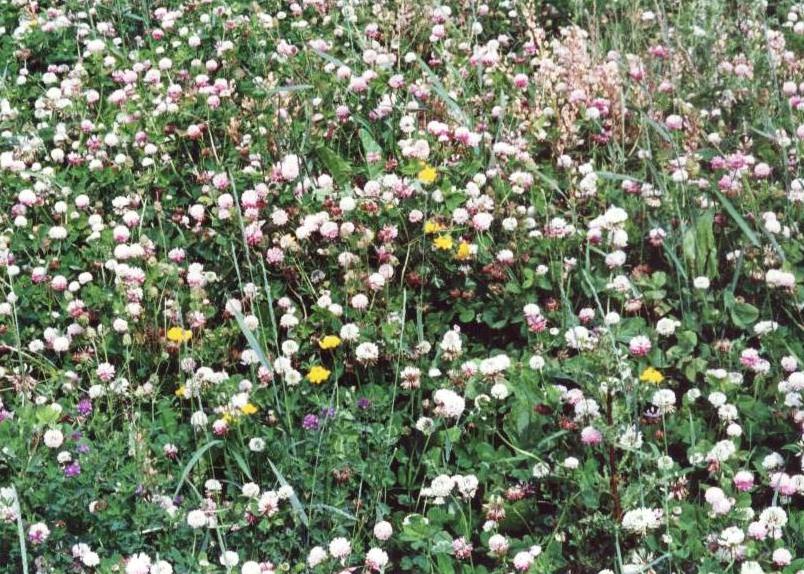
conditions. Perennial food plots like White Clover, No-Till Mix, or Drought
Mix are a good start.
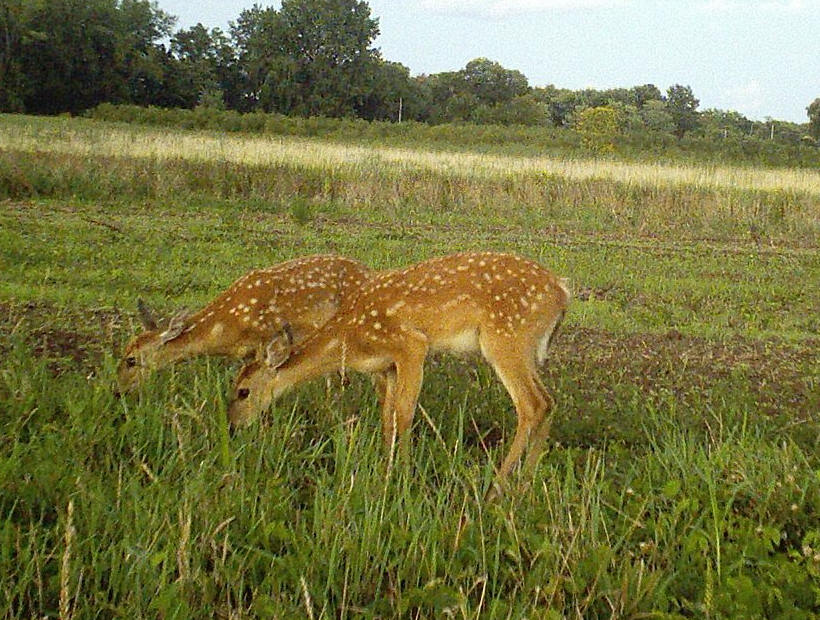
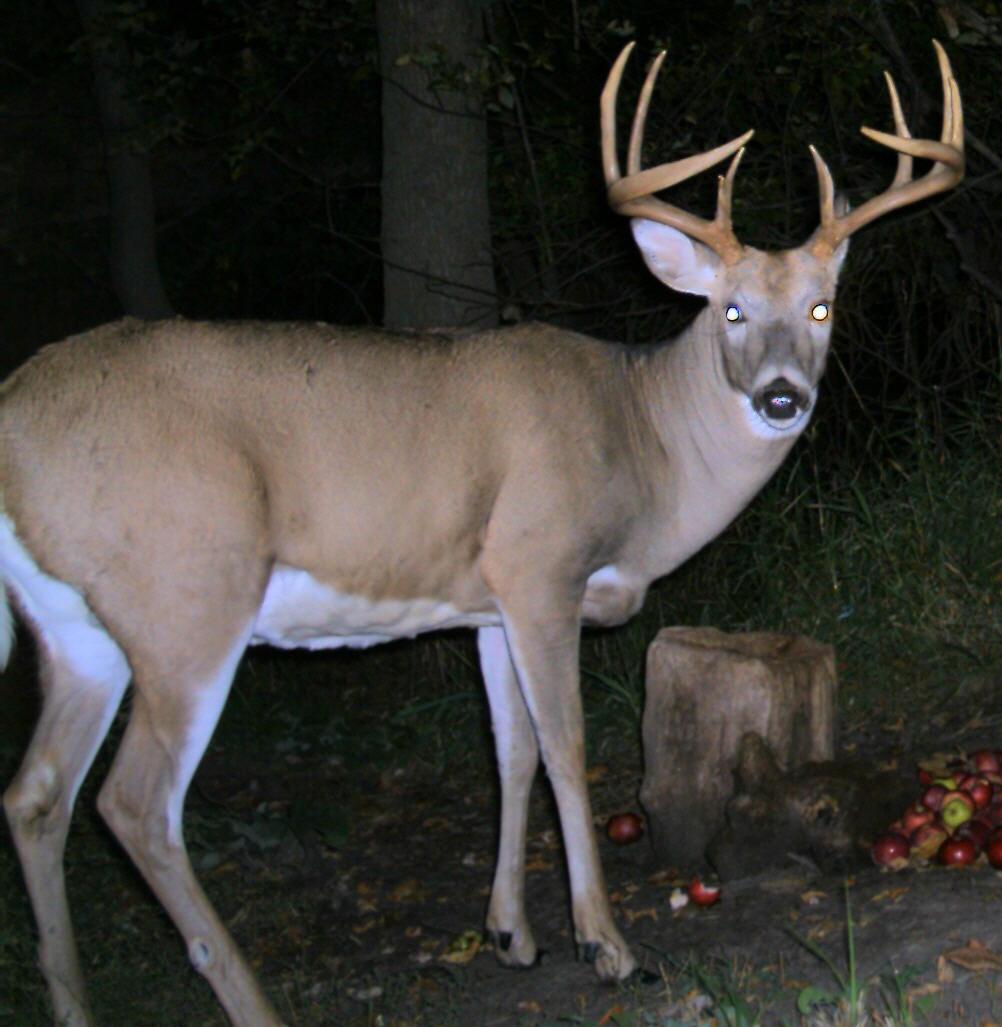
Twains deer at Kester's eating on one our food plots
You can also get good results from may of our annual
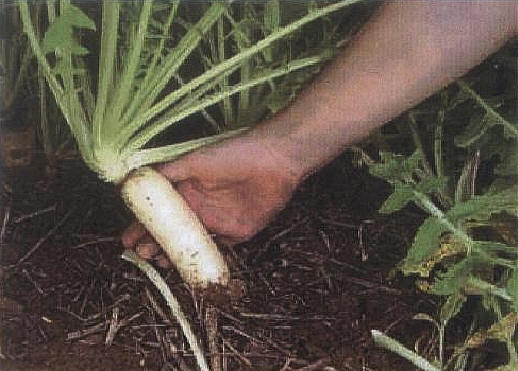
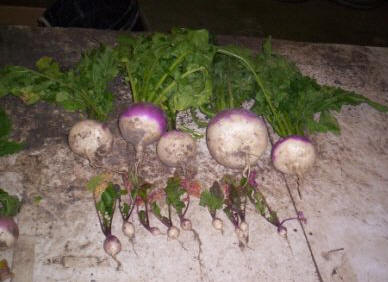
seeds such as Turnips, Radish, or Peas. Many hunters over look annuals just
because they must be planted every year. But the ease of planting and benefit of an
annual food plot are not to be over looked when building wildlife habitat.
The best thing to do is to have an abundance of food
for your wildlife to choose from when you build a food plot. All of our
mixes have been field tested before we offer them for sale.
Soil preparations is essential for a good food plot.
Weed competition is the most common problem experienced. Food plot areas
can be worked several times during the spring to eliminate annual weeds.
One thing to keep in mind is that tilling the soil will bring more weed
seeds to the surface that will germinate as the soil temperature warms in
the spring. A spray, such as Roundup, can also be used prior to planting.
Roundup is sprayed after the weeds have germinated and started to grow to a
height of at least 6 inches.
Roundup will kill anything that is green and growing. Wait 7 to 10 days
after spraying and then plant you food plot.
All of our Wildlife Food Plot Products have their own
unique growing characteristics to provide an attractive food plot. The
more food and cover you can provide for wildlife the less threatened they
will feel. Kester's mixes are best planted along the edge of a woods,
where the deer can retreat if they feel threatened. |